
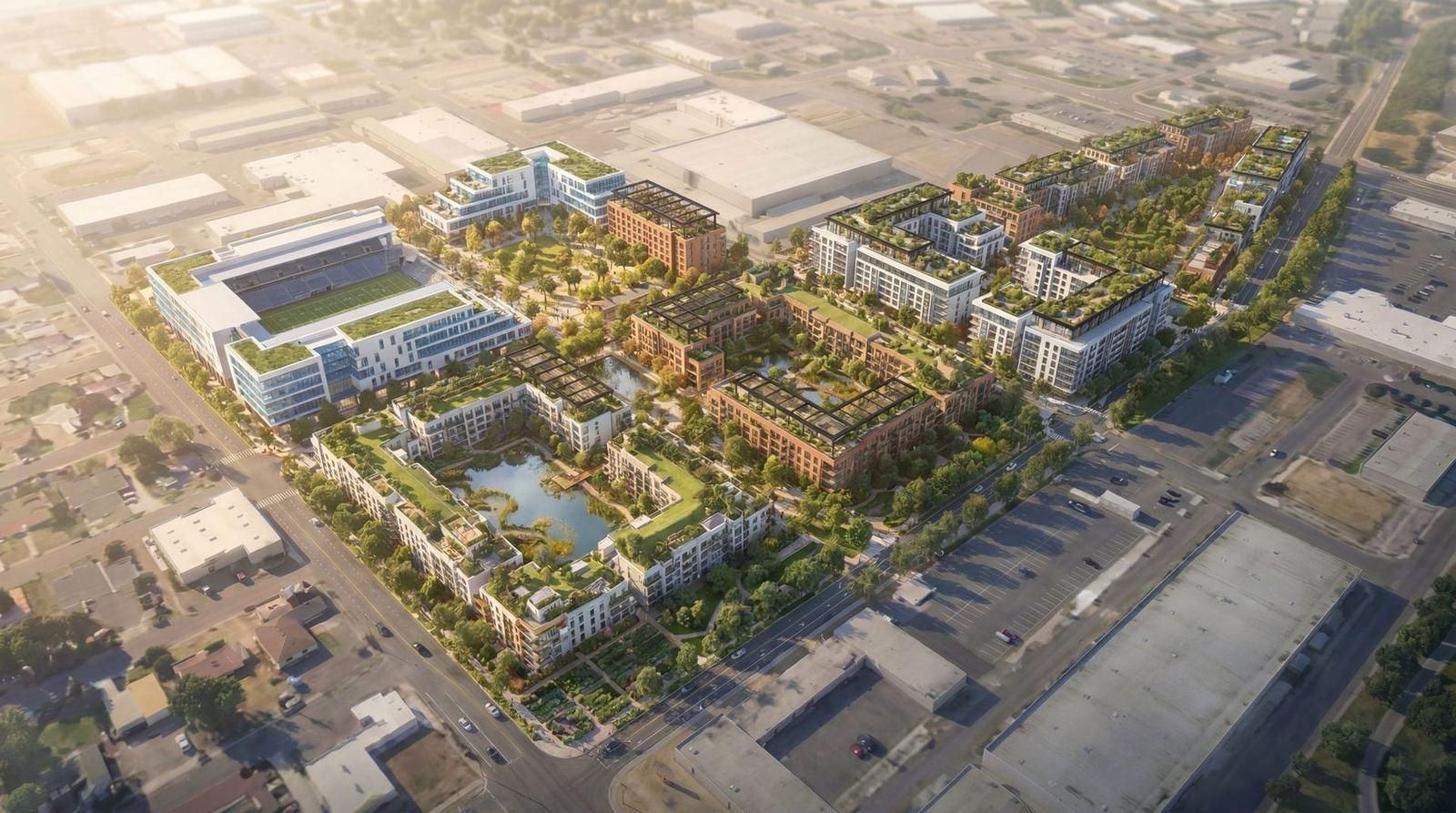
Now City Homes
Aggregate massive demand for high quality factory built multi-family buildings by driving cost below $200/sq ft with technology and design.
The West Coast is 238,000 homes a year short, because apartments cost too much to build.
One system: aggregate the demand, then design everything else around it.
We design the whole chain together, from first principles, as one product: what gets built, how it is made, how it moves, how it goes up and how it is run.
AI in every step
Product development, design, engineering, code review, pricing, sales, logistics, construction scheduling and operations run on shared models and agents. One building's data improves the next.
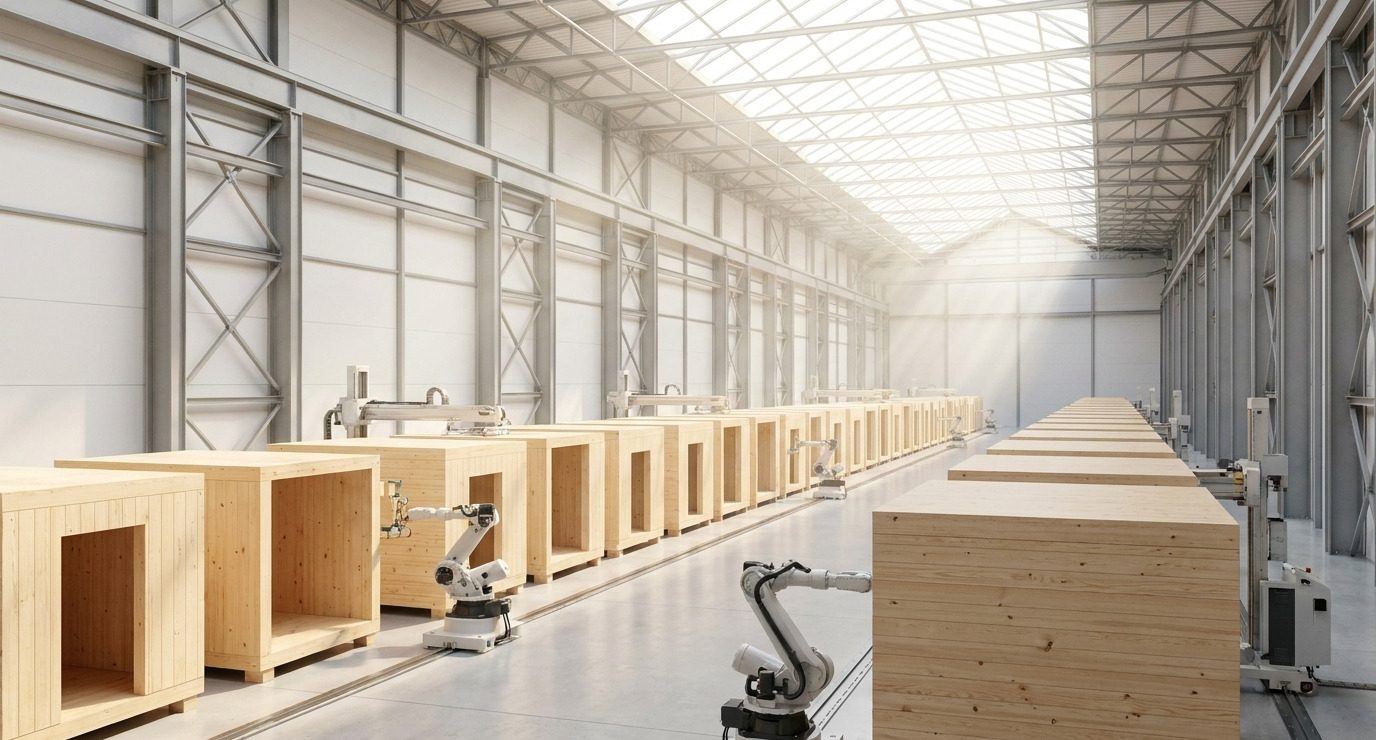
Robots in the plant and on site
Robotic framing, panel and pod lines off site. Robotic layout, lifting and finishing on site. In one DOE-funded modular-home factory, automated steel framing cut construction time by up to 46% against wood framing.[12]
Autonomous electric delivery
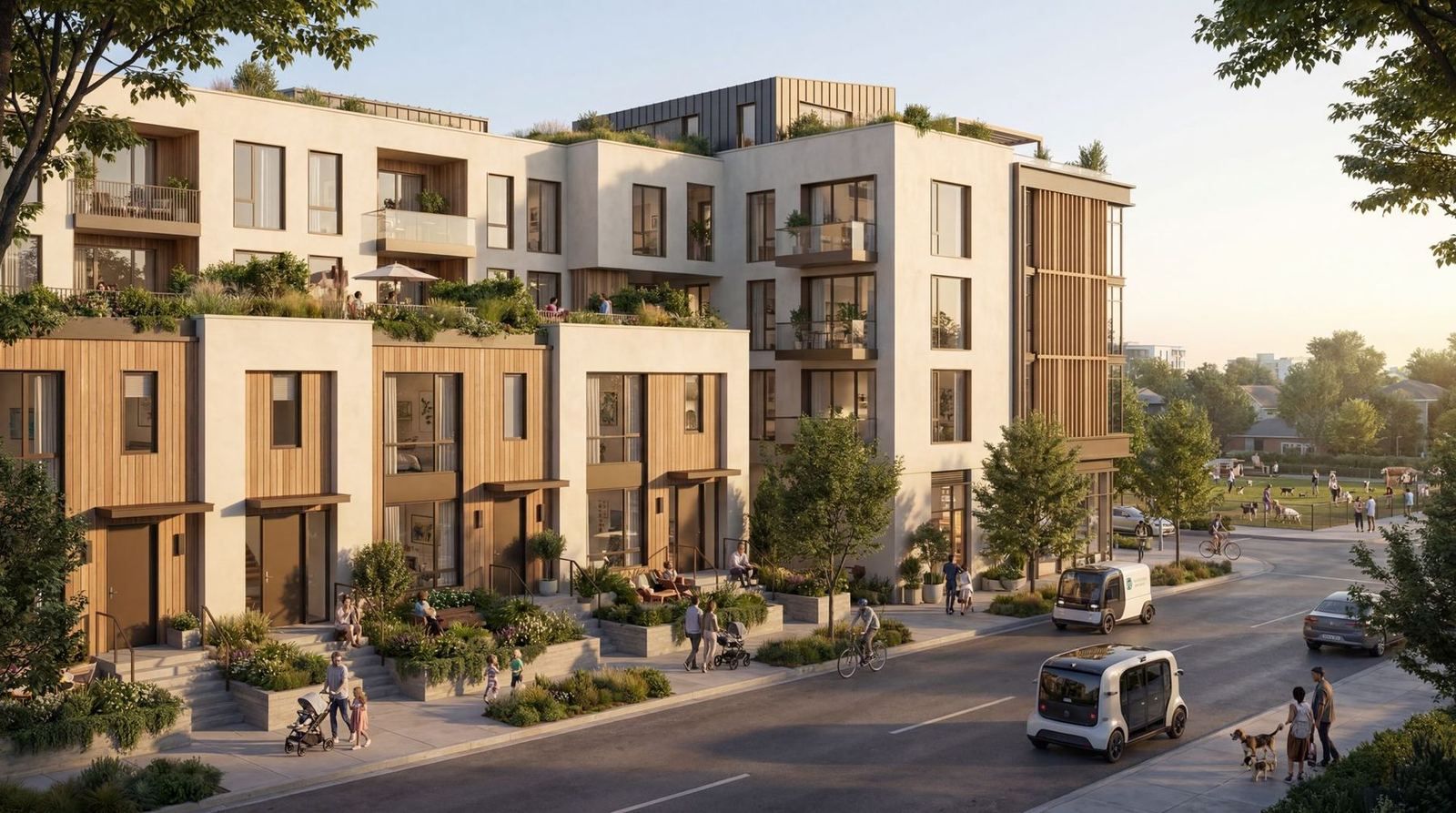
Flat-pack parts move by rail and autonomous electric trucks along I-5, timed to the site's assembly schedule. California issued its first heavy autonomous truck testing permit, with a safety driver aboard, in August 2026.[13]
TAM $95B, SAM $15.4B, SOM $881M a year.
Every figure is priced on the Portland prototype home, 694 square feet of building, smaller than the average new home. Real values are higher.
At $200, more of the TAM becomes buildable: Portland's study found 6-story projects pencil once hard costs fall 15 to 40%.[1] The SAM uses 2025, the low point of the cycle. The demand audit by state and metro is on the Market page.
From $350 to $200 a square foot: published evidence supports the first $50, and the system design has to deliver the other $100.
No one builds a complete West Coast mid-rise for $200 today. This is how the system gets there. The steps are our estimates.
Factory production on standard designs cuts hard cost 10 to 25% and schedules 20 to 50% when orders are steady.[16] The plan takes 14%, below the middle of that range. The other $100 comes from robots, buying power, one contract instead of stacked markups, and less time on site. Our 12% margin sits inside the $200.
A supply network that grows with the orders, not a fixed set of factories.
Capacity is added where signed demand is, in steps a ten-year order book can finance. Partners own most of the plant. We own the design, the software, the orders and the assembly system.
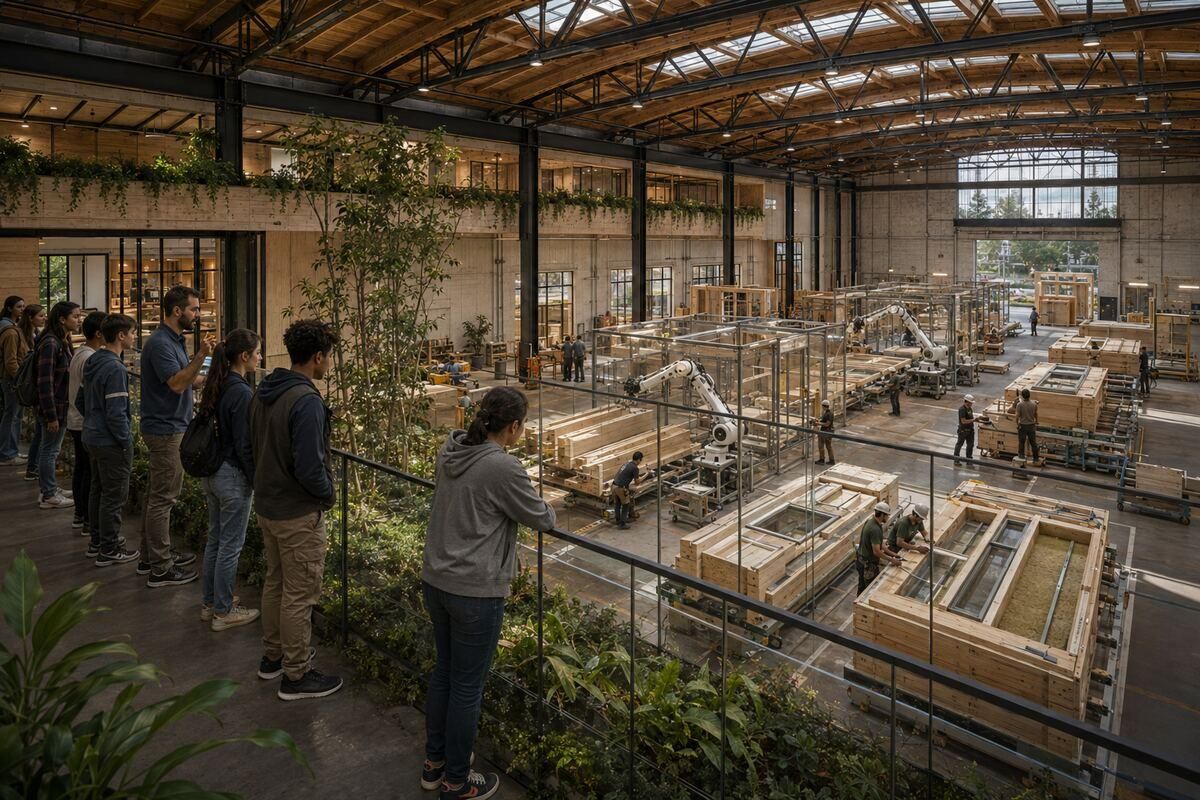
Components
Steel, timber, windows and plumbing pods from mills and makers near ports, on ten-year volume.
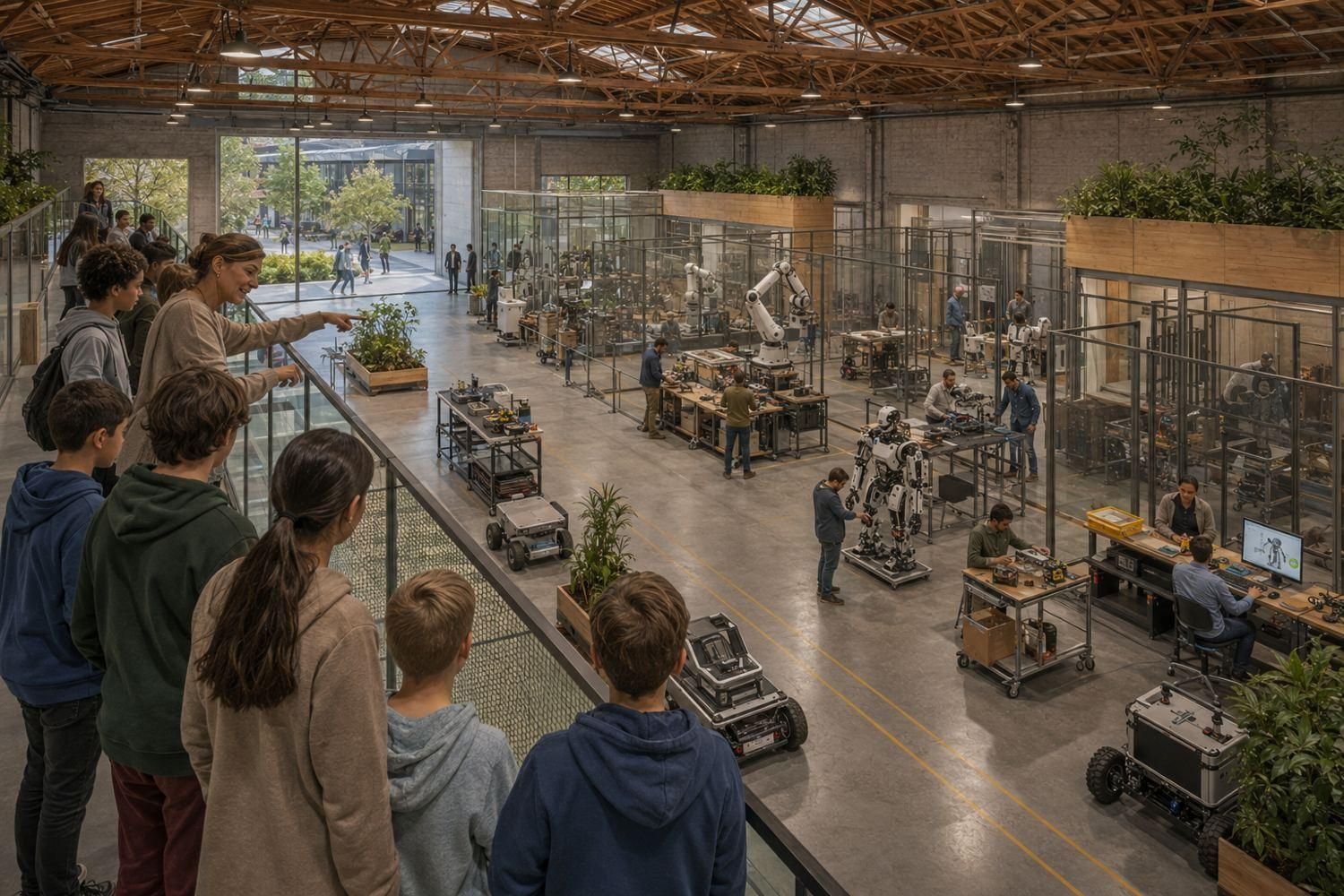
Robotic assembly hubs
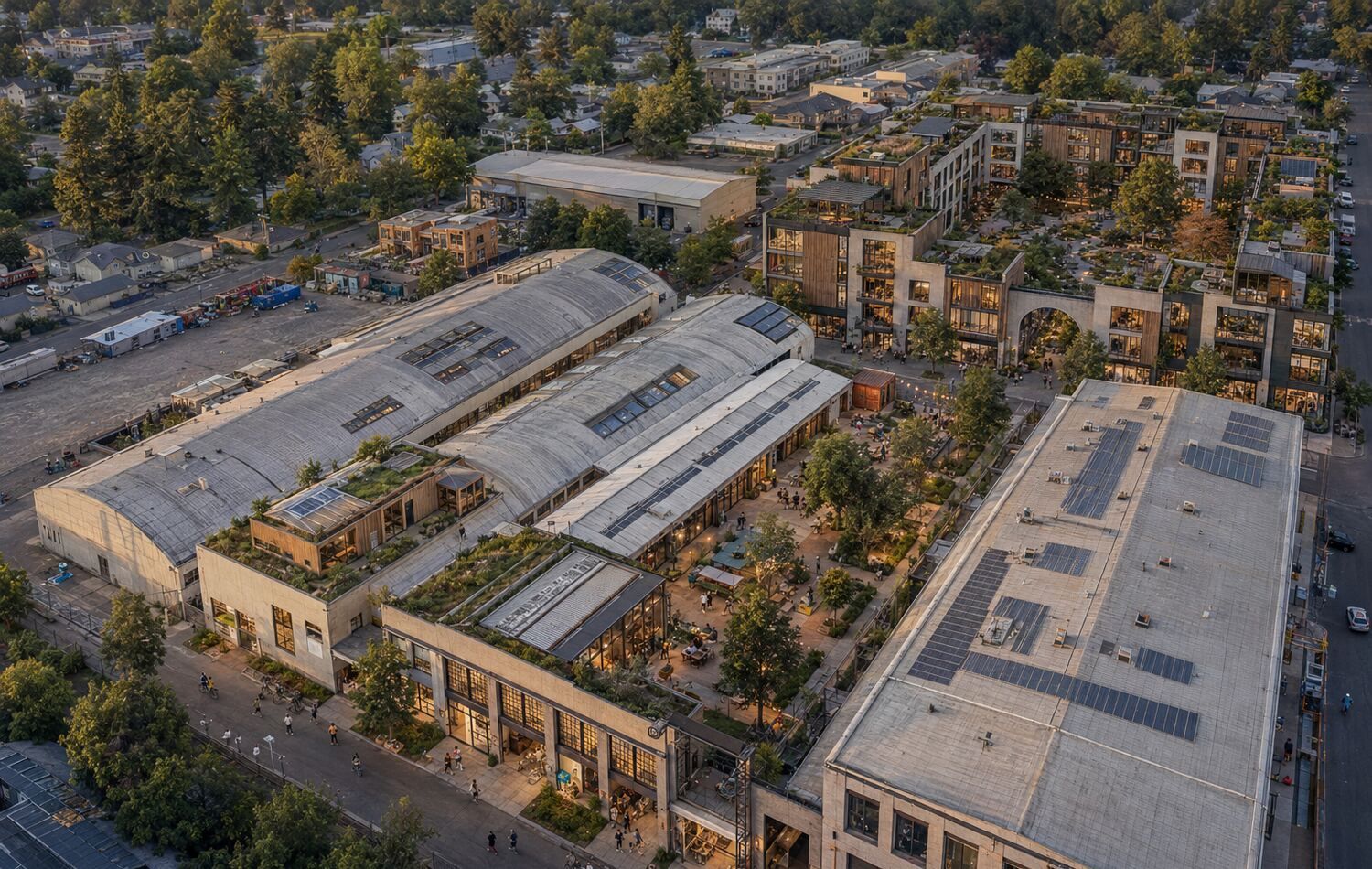
On rail lines, many on surplus, mall and office land, within a day's drive of demand.
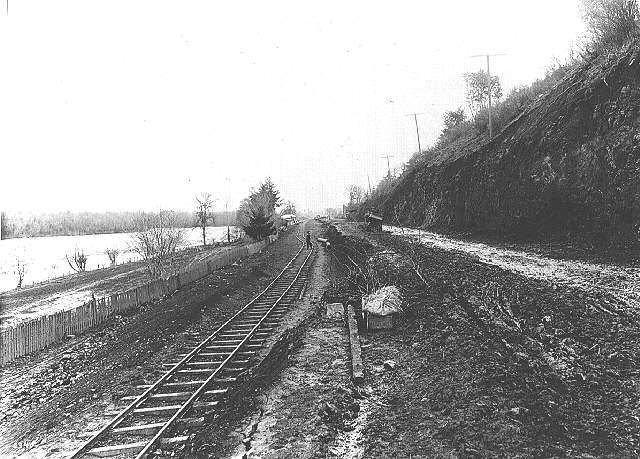
Autonomous distribution
Flat-pack parts by rail and autonomous electric truck on corridors already built, like this valley line in the early 1900s.
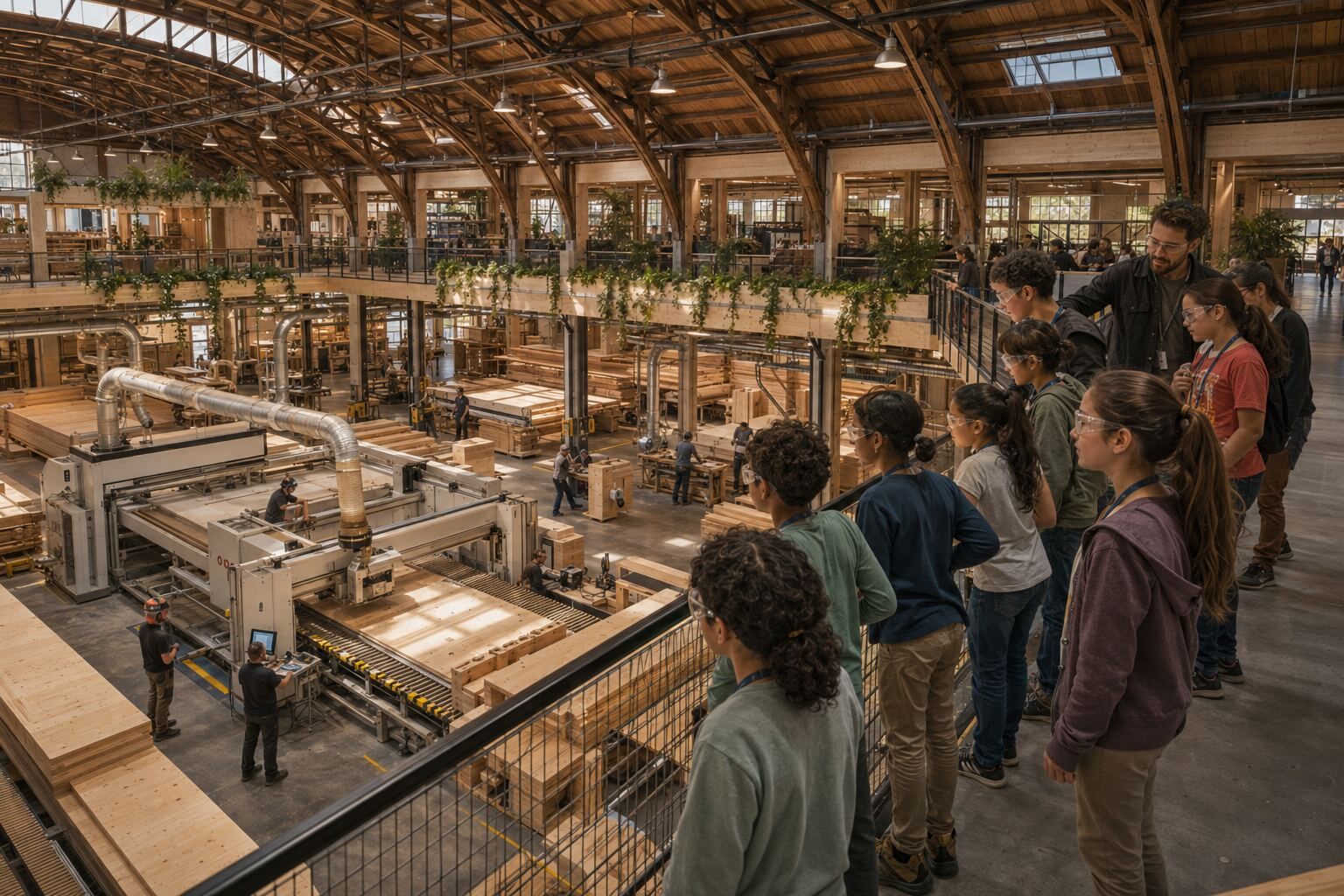
Robotic site assembly
Foundations go in while parts are made. Buildings go up in weeks.
Panels ship at legal width on ordinary trucks and rail cars; whole modules need permits and escorts.[11] The plan's cost does not depend on autonomous trucks.
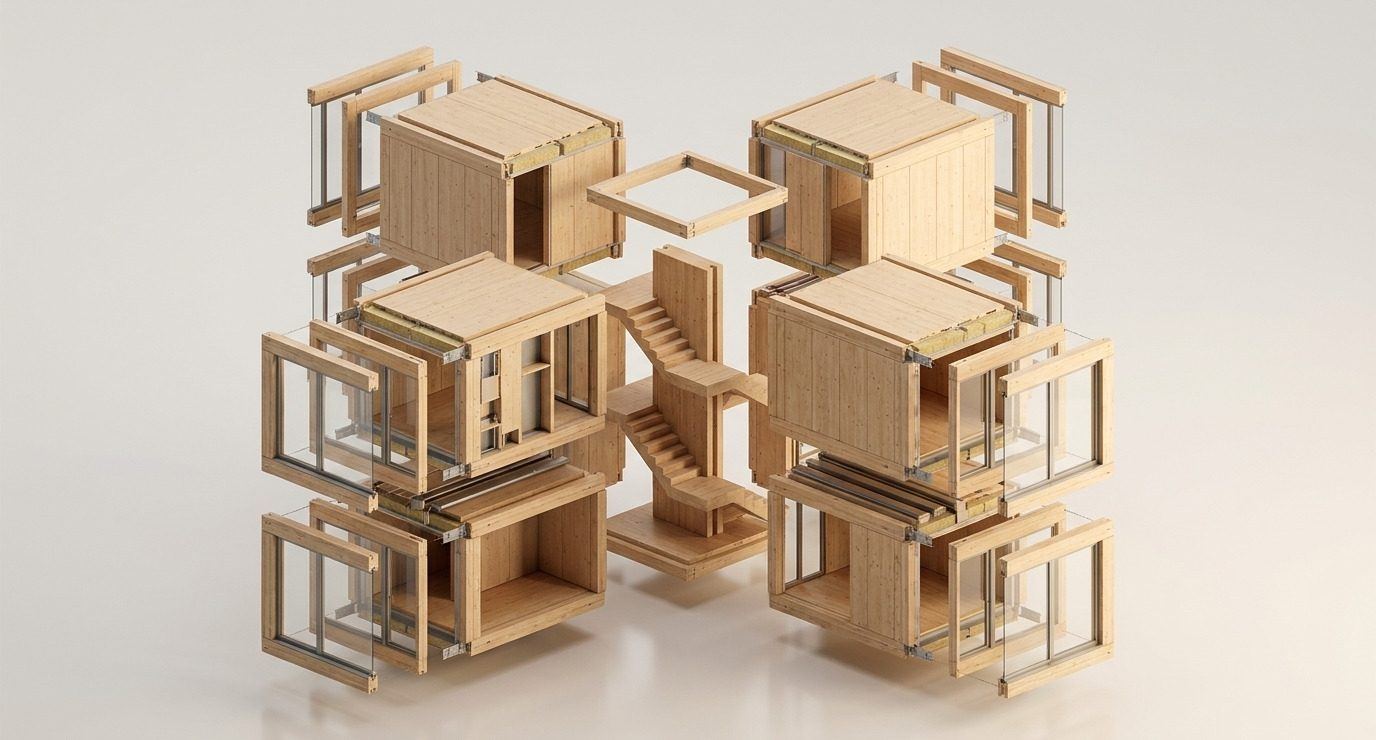
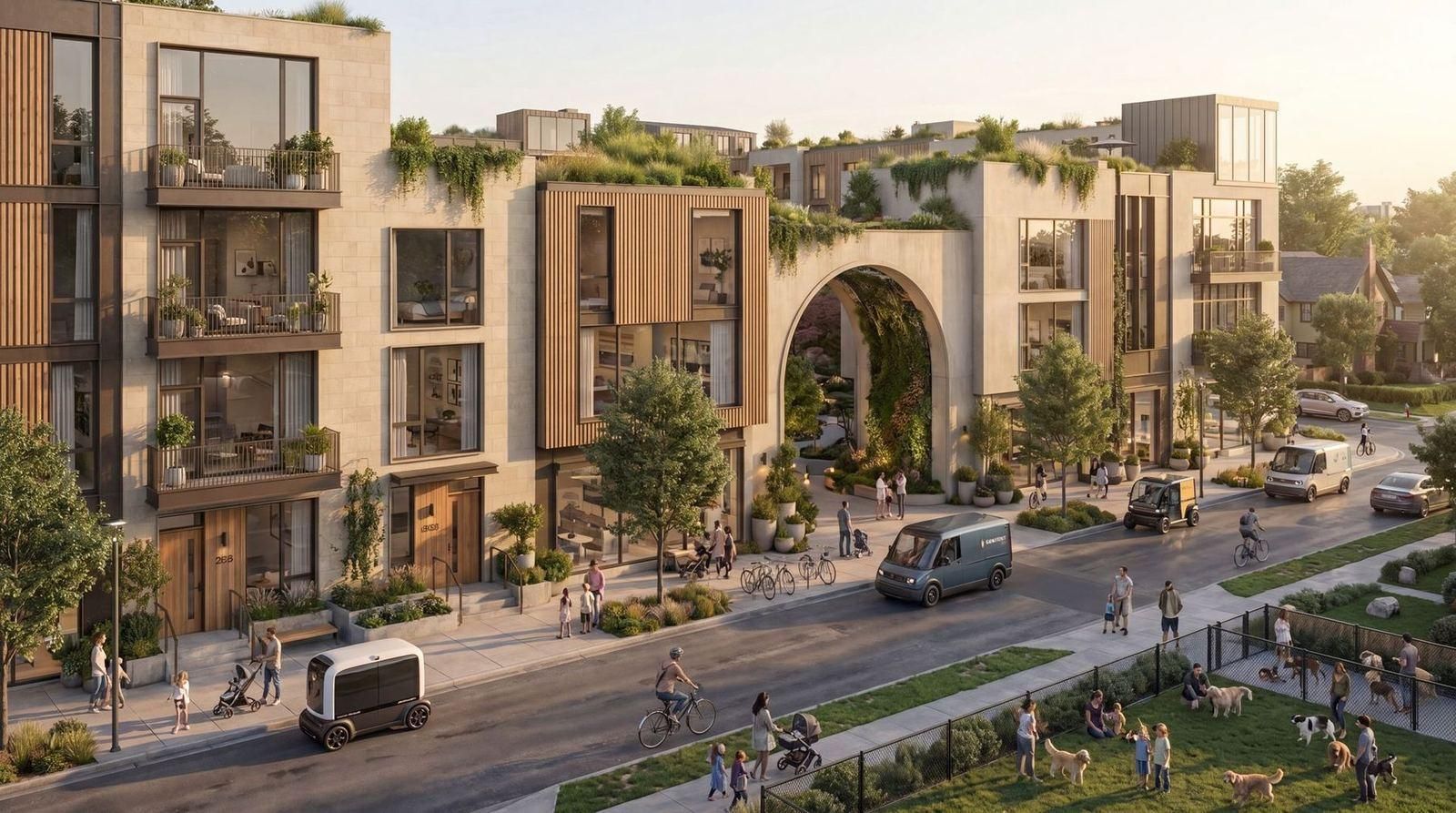
One frame, four kinds of home, made from the same parts.
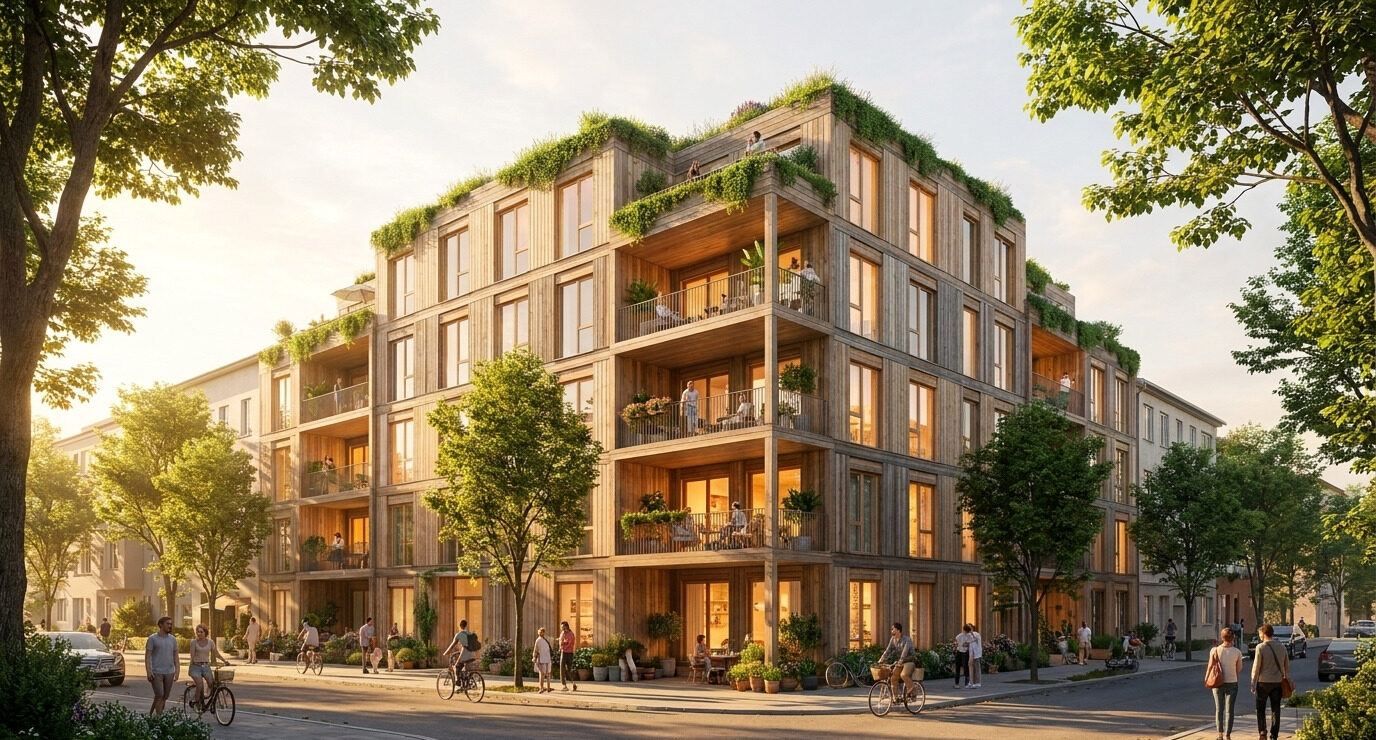
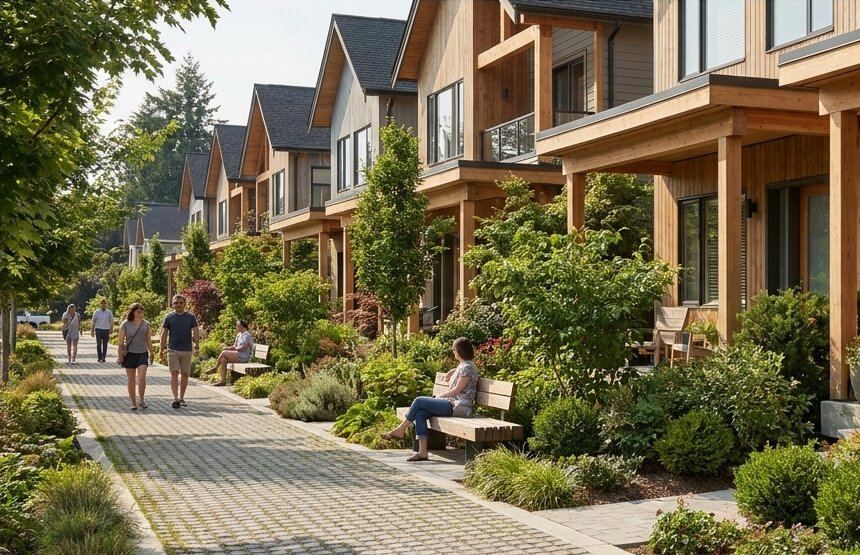
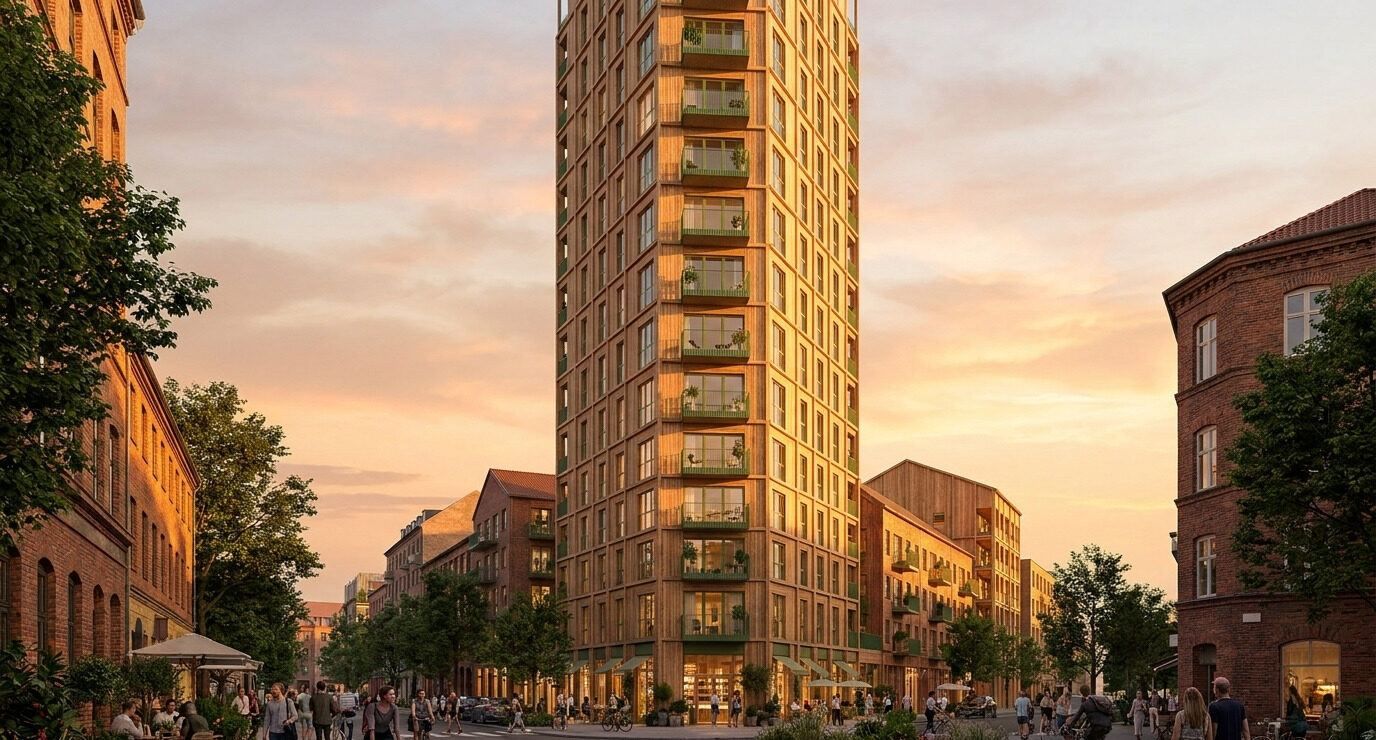
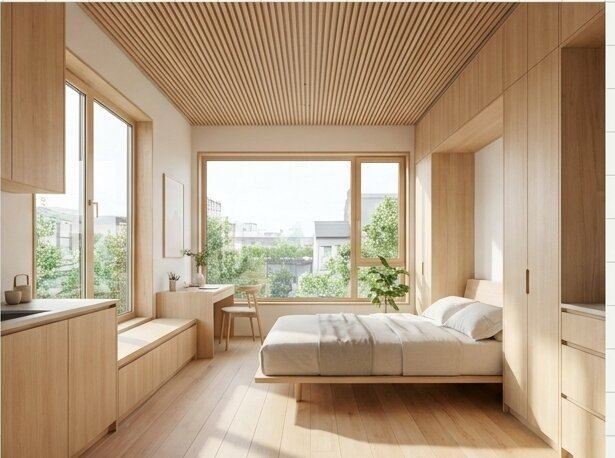
Washington allows six-story single-stair buildings; Oregon allows four where a city opts in.[17] California does not yet, so California buildings use today's two-stair code.
The Now City stack adds value beyond the building itself.
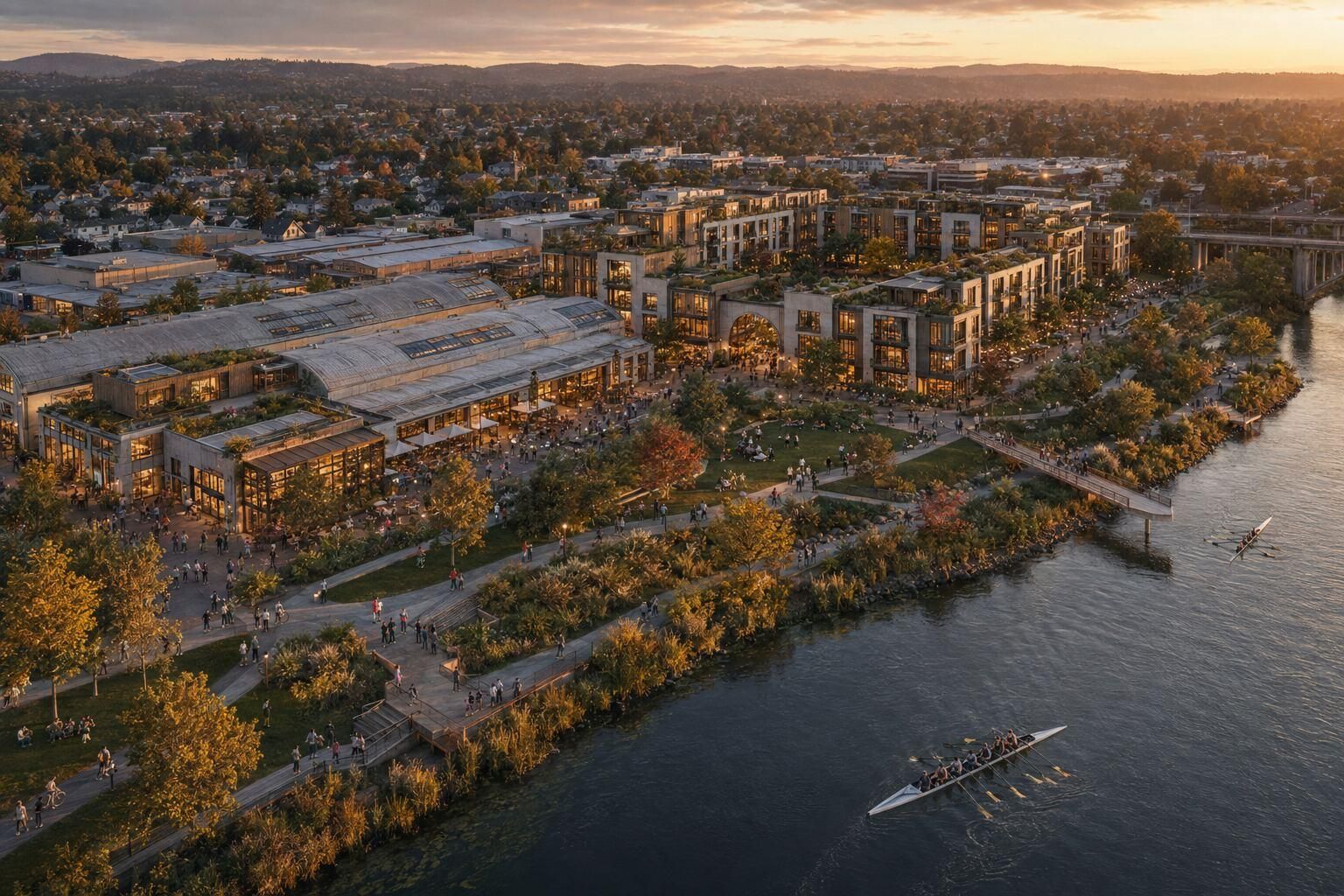
- Land. The largest gains in a district come from assembling and entitling underused land.[18] Rail corridors, surplus public land, malls and office parks become districts, not single lots.
- Underwriting. Upside Explorer finds the combination of moves that makes each project pencil, with a source behind every number.[19]
- Time. Beyond the site overhead in the cost bridge, months off the schedule mean less construction interest and earlier rent for the owner.
- Operations. Now City will run the neighborhoods it builds. Energy, water and mobility are shared systems, and every building's data improves the catalog.
None of this is in the financials below.
$881.2M a year from year 8. Peak cash $45.7M.
We sell the complete building at $200 a square foot, $138K for a prototype home, and keep 12% after every supplier, carrier and crew. Buyers save $104K a home.
| Case | Homes, 10 years | Revenue, year 10 | Peak cash | Break-even |
|---|---|---|---|---|
| Low: 8% margin, 5% share, 8 years to scale | 14,465 | $440.5M | $77.8M | None in 10 years |
| Plan | 35,073 | $881.2M | $45.7M | Year 7 |
| High: 15% margin, 15% share | 52,515 | $1.3B | $36.3M | Year 6 |
Peak cash includes $8K of our own robotic equipment per home of added yearly volume, working capital of 10% of revenue growth, and 4% of revenue for sales, delivery coordination, warranty and software. Partners fund most plant capacity on our order book. Every driver is our assumption.
Sign the demand first: ten-year commitments that finance the network.
Ritchie leads sales. Letters of intent come first, then framework agreements with deposits. A non-binding order book did not save Ilke Homes.[20]

| Source of orders | Scale |
|---|---|
| Our own first district | Pacific Northwest masterplan; first homes 2029 |
| City and state surplus land | 5,100+ homes underway on California's excess state land[21] |
| Transit agency land on rail corridors | About 240,000 homes of capacity in California[22] |
| Distressed malls and office parks | Six West Coast mall plans total about 15,400 homes[23]; office vacancy 26 to 28%[24] |
| Approved projects that stalled | 58,400 homes in San Francisco alone[3] |
| Universities | 9,000 shovel-ready UC beds without funding[25] |
| Mapped on-market sites | Partnerships in discussion to map every site that fits |
New laws open the land: California SB 79 allows up to 75 feet near heavy-rail stations, and Washington HB 1491 sets about six stories near rail.[26][27] California AB 2185 lets state housing money fund factory deposits.[28]
US housing factories failed on uneven orders. Sweden's catalog, bought on multi-year frameworks, built about 10,000 apartments.
| Who | Model | Outcome |
|---|---|---|
| Katerra | Design, factories and contracting at once | Bankrupt 2021[8] |
| Veev | Steel-panel modules | Shut down 2023[9] |
| Factory_OS | Modules, California | Closed 2026[10] |
| Kombohus, Sweden | Public buyers order from one catalog | About 9,500 to 11,000 apartments[29] |
The difference: we sign demand before capacity, partners carry most plant cost, and we design the whole chain instead of one factory.
Two co-founders with roughly equal stakes, two senior advisors, and a first team for engineering, robotics and sales.
Erik Gillberg, CEO
Product, go-to-market and marketing. 30 years in property operations, 20 in technology and startups.
Ritchie Ju, COO
Sales and accounts. Architecture and urban design, Carnegie Mellon and Columbia.
Neal Payton and Michael H. Shuman, advisors
Urban design at Torti Gallas; local economies and capital.
First hires
Supply chain, structural and code engineering, robotics and automation, AI, and two account executives.
$7.2M for year 1, $45.7M to break-even, and letters of intent.
Investors
Year 1 builds the catalog, the AI and robotics platform, and the order book. The pilot follows in year 2.
Buyers
A letter of intent naming sites, homes and years, priced at $200 a square foot.
Supply partners
Capacity reserved on our order book at an indexed price.
| Year 1 (2027) | Catalog for three states' codes; landed supplier prices in writing; letters of intent |
| Year 2 (2028) | 200 pilot homes at a measured cost; first framework agreements with deposits |
| Years 3 to 7 | Network grows with orders: 1,056 homes in year 3, 5,284 in year 7 |
| Year 8 on | 6,341 homes a year |
Risks, assumptions and sources.
Risks
- $200 is unproven. The pilot measures it. If a complete building costs more, the plan resizes before the network grows.
- Robotics and AI savings are early. The figures published so far are mostly from the companies selling them.
- Imported steel. Section 232 tariffs of 25% or 50% apply to full customs value.[30] A customs ruling comes before any price.
- Frame material. nowcity.co shows mass timber. Year 1 prices timber and steel systems.
- Letters of intent do not bind. Deposits are the test.
Assumptions
| Building area per home | 694 sq ft: Portland prototype, $243,211 / $350[1] |
| Price, margin, market share | $200/sf, 12%, 10% of SAM |
| Ramp | 200 homes in year 2, equal steps to full scale in year 8 |
| Costs | $8M fixed a year; $4M a year platform development in years 1 to 3; 4% of revenue; $8K equipment per home of added volume; 10% working capital |
Sources
- BAE Urban Economics for the City of Portland, Inclusionary Housing Calibration Findings, July 2023. https://www.sightline.org/wp-content/uploads/2023/08/Portland-Inclusionary-Housing-Revised-Calibration-Findings-7-7-2023-1.pdf
- BERK Consulting and Heartland for the City of Seattle, Mandatory Housing Affordability Five Year Evaluation, March 2025. https://seattle.gov/documents/Departments/OPCD/SeattlePlan/MHA5YearEvaluationBERK2025.pdf
- San Francisco Planning, Housing Production Development Pipeline, 2026 Q2. https://sfplanning.org/sites/default/files/documents/reports/Housing_Production_Development_Pipeline-2026Q2.pdf
- US Census Bureau, Building Permits Survey, state annual files 2019 to 2025 and January to September 2026. https://www.census.gov/construction/bps/
- California HCD, Statewide Housing Plan (2022): about 2.5 million homes over the sixth housing cycle, as reported by CalMatters, August 2026. https://calmatters.org/housing/2026/08/california-rhna-housing-affordable-progress/
- Washington Department of Commerce, "Washington state will need more than 1 million homes in next 20 years", March 2023. https://www.commerce.wa.gov/washington-state-will-need-more-than-1-million-homes-in-next-20-years/
- Oregon Office of Economic Analysis, Oregon Housing Needs Analysis 2026 production targets, December 2025. https://www.oregon.gov/das/oea/Documents/OHNA-2026-Results-Report.pdf
- ProBuilder, 2021, on Katerra's bankruptcy and the sale of its Tracy plant. https://probuilder.com/modular-builder-vbc-verge-25-million-buy-katerra-assets
- TechCrunch, "Prefab home builder Veev reportedly shutting down", November 2023. https://techcrunch.com/2023/11/27/prefab-home-builder-veev-reportedly-shutting-down-after-reaching-unicorn-status-last-year
- Vallejo Sun, February 2026, and Offsite Innovators, "Farewell to Harbinger", September 2026, on the closure of Factory_OS (renamed Harbinger). https://offsiteinnovators.com/farewell-to-harbinger-a-factory-that-proved-modular-could-build-at-scale/
- Terner Center for Housing Innovation, "Potential Pathways to Scale Innovative Construction Methods in California", March 2026. https://ternercenter.berkeley.edu/research-and-policy/potential-pathways-to-scale-innovative-construction-methods-in-california/
- US Department of Energy, "Transformative Efficiency and Automation in Modular Homes" (GTI Energy with Dvele, Loma Linda, California), updated March 2025. https://www.energy.gov/eere/buildings/transformative-efficiency-and-automation-modular-homes-teamh
- Automotive World, "California grants Kodiak AI autonomous trucking permit", August 2026. https://www.automotiveworld.com/news/california-grants-kodiak-ai-autonomous-trucking-permit/
- US Census Bureau, Building Permits Survey, metro (CBSA) annual files 2024 and 2025. https://www2.census.gov/econ/bps/CBSA%20(beginning%20Jan%202024)/
- US Census Bureau, Survey of Construction microdata 2019 to 2025 (our tabulation of attached homes, Pacific division). https://www.census.gov/construction/chars/microdata.html
- Terner Center, testimony to the California Assembly Select Committee on Housing Construction Innovation, January 6, 2026. https://ternercenter.berkeley.edu/blog/testimony-to-the-select-committee-on-housing-construction-innovation/
- Washington RCW 19.27.115 and WSR 25-23-081; Oregon Building Codes Division, 2025 OSSC Appendix Q (single-exit stair). https://www.oregon.gov/bcd/codes-stand/Documents/25ossc-single-exit-stair-appq.pdf
- Now City, "How Districts Create Value", Salem River District field notes, 2026. https://nowcity.co/salem/district-value
- Now City, Upside Explorer. https://nowcity.ai/upside-explorer
- Construction Enquirer, "Offsite specialist Ilke Homes falls into administration", June 2023. https://www.constructionenquirer.com/2023/06/30/offsite-specialist-ilke-homes-falls-into-administration/
- California Department of General Services, "California Closes 2025 with Affordable Housing Wins", December 2025 (excess state land program). https://www.dgs.ca.gov/Press-Releases/Page-Content/News-List-Folder/California-Closes-2025-with-Affordable-Housing-Wins
- Enterprise Community Partners, "Assessing the Potential of Transit Agency-Owned Land for Housing Development in California", March 2026. https://enterprisecommunity.org/sites/default/files/2026-03/Enterprise-Transit-Agency-Land-Use-Report.pdf
- Mall redevelopment plans: Stonestown (CBS News SF, July 2024), The Rise at Vallco (SV@Home, February 2026), Westminster (CoStar), Lloyd Center (Axios Portland, February 2026), Northgate (The Urbanist, 2024), Tanforan (CEQAnet SCH 2023120409). https://cbsnews.com/sanfrancisco/news/sf-stonestown-galleria-3500-new-homes-final-approval-board-of-supervisors
- Office vacancy, Q3 2026: CBRE San Francisco, CBRE Portland, Kidder Mathews Seattle and San Diego, TenantBase Los Angeles. https://www.cbre.com/insights/figures/san-francisco-office-figures-q3-2026
- University of California, Student Housing Projects 2026 fact sheet. https://housingbond.universityofcalifornia.edu/_files/uc-student-housing-projects-2026-r6-acc.pdf
- California HCD, "SB 79 Transit-Oriented Development", updated August 2026. https://www.hcd.ca.gov/planning-and-research/sb79-tod
- Futurewise, "HB 1491 FAQ" (Washington transit-oriented development, 2025). https://futurewise.org/tod1491/
- Novogradac, California AB 2185 enacted, September 2026. https://www.novoco.com/public-media/documents/california-ab-2185-enacted-09292026.pdf
- Sveriges Allmännytta, "Public housing: Sweden's Kombohus"; Unihouse on the 2020 six-year framework. https://sverigesallmannytta.se/in-english/public-housing-swedens-kombohus
- Sandler, Travis & Rosenberg, Section 232 tariffs on steel and aluminum (tracker through August 2026); Arent Fox Schiff, April 2026. https://www.strtrade.com/trade-news-resources/tariff-actions-resources/section-232-tariffs-on-steel-aluminum